
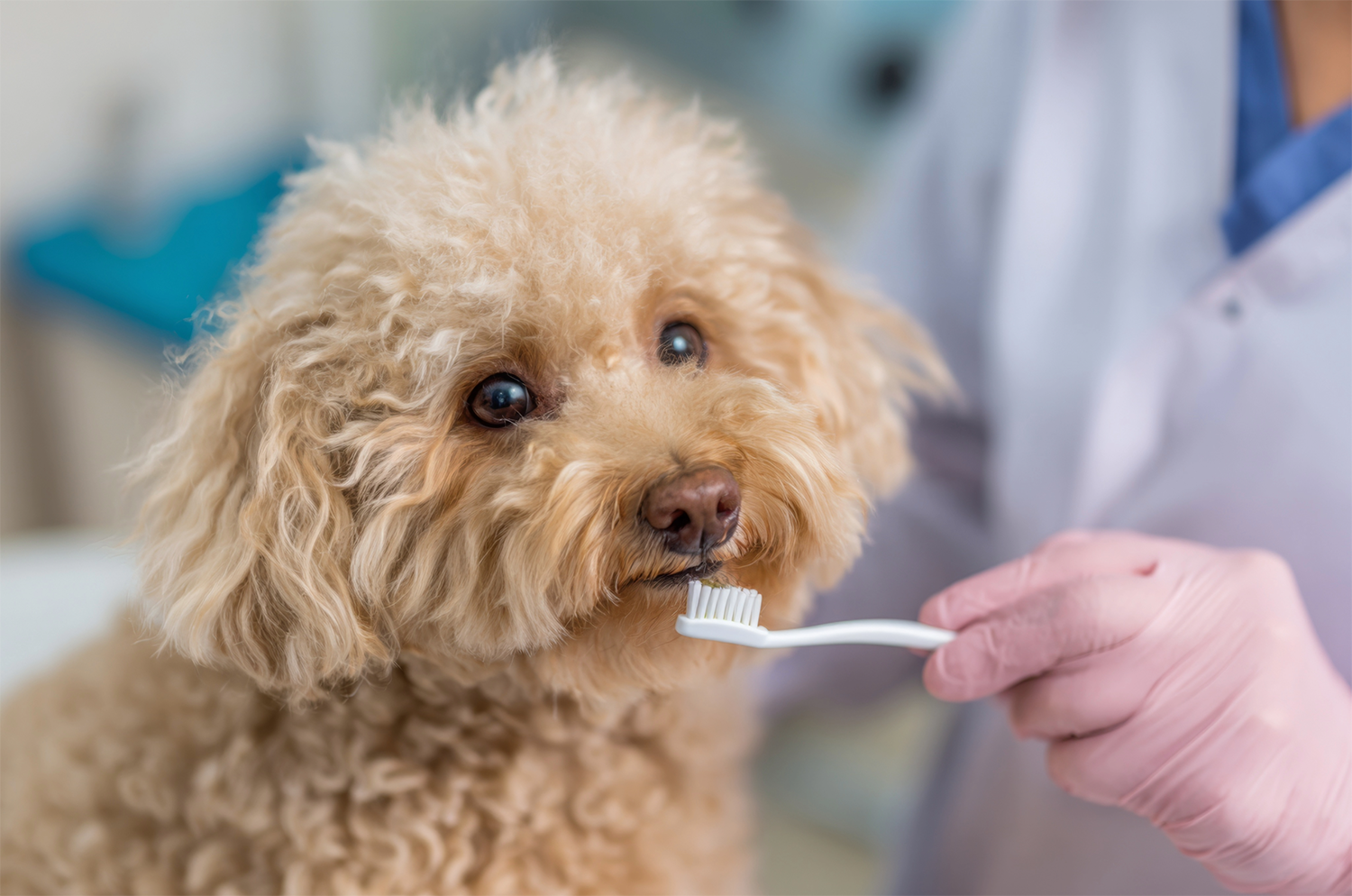
Why Preventing Dental Diseases is Key to Your Pet’s Overall Wellness and Longevity?
Dental pathology plays a critical role in veterinary medicine; understanding how dental disease
develops, especially periodontitis helps greatly in the early detection and prevention of such a progressive disease.
This article explores the biological mechanisms behind plaque formation, biofilm maturation, and the transition from reversible gingivitis to irreversible periodontal disease. It also highlights the importance of dental hygiene and routine oral care in improving the quality of life in companion animals.
Periodontal disease is the most prevalent clinical condition in adult dogs and cats, affecting over 80% of dogs older than three years Frontiers. Despite it being one of the most common issues in pets, it remains underdiagnosed and undertreated.
Understanding the pathology behind dental disease highlights the need for early intervention to prevent systemic complications and enhance the animal’s welfare.
Pathogenesis: From Plaque to Periodontitis
1. Plaque and Biofilm Formation
Plaque is a soft, sticky film composed of bacteria, salivary proteins and food debris. Within hours of accumulation, it begins to organize into a biofilm — a structured microbial community embedded in a self-produced matrix.
- Biofilms resist antibiotics and innate immune responses
- They promote chronic inflammation
- They serve as reservoirs for pathogenic bacteria
2. Tartar
If plaque is not removed, it mineralizes into tartar (calculus) within 48–72 hours. Tartar provides a rough surface that accelerates further plaque accumulation and deepens periodontal pockets.
Gingivitis: The Reversible Stage
Gingivitis is the earliest stage of periodontal disease, characterized by:
- Redness and swelling of the gingiva
- Bleeding on probing
- Mild halitosis
- Mild discomfort
Histologically, gingivitis involves infiltration of neutrophils and lymphocytes into the gingival tissue. Importantly, gingivitis is reversible with proper care.
Periodontitis: A Progressive and Irreversible Disease
Periodontitis occurs when inflammation extends beyond the gingiva into the periodontal space, ligament and alveolar bone. Without removal, plaque can extend under the gum line, separating the gums from the teeth and creating pockets for more bacteria. Anaerobic bacteria produce toxins causing localized inflammation leading to damage to the periodontal structures and alveolar bone lysis. This leads to damage to the supporting bone and tissues, resulting in pain, infection, and eventual tooth loss.
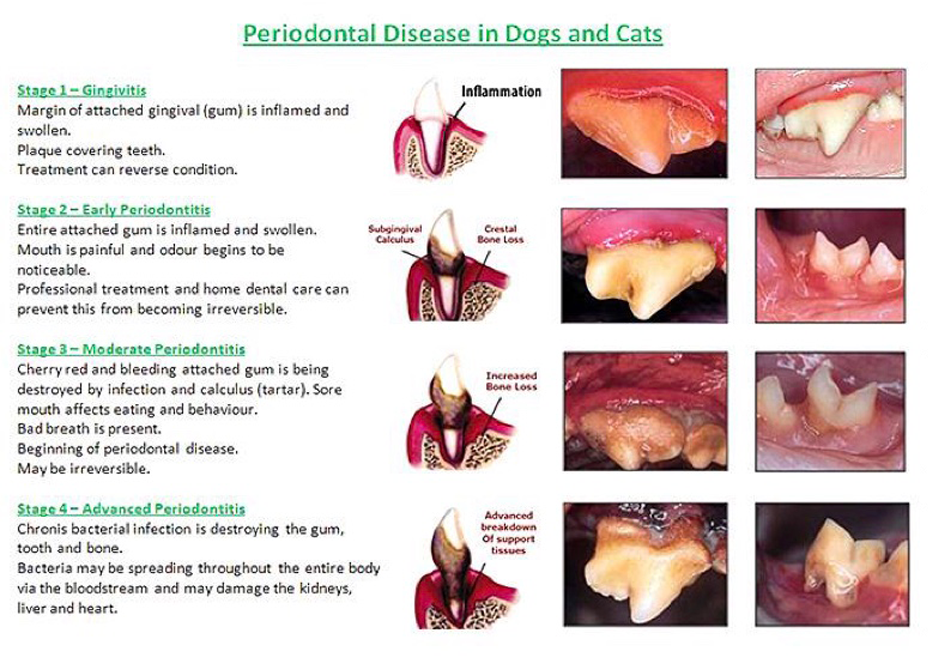
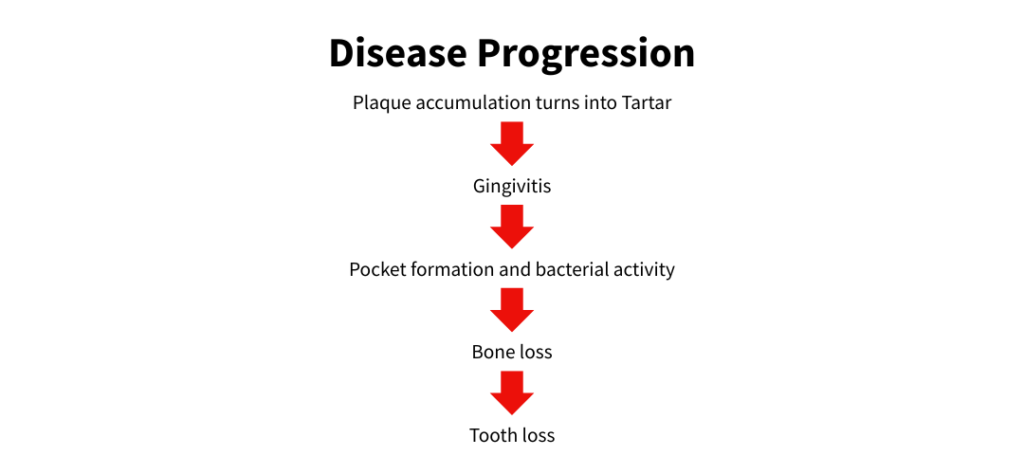
Once bone is lost, regeneration is rare. Periodontitis is considered irreversible and management focuses on halting progression rather than restoring lost structures Today’s Veterinary Nurse.
Impact on Quality of Life
Periodontal disease affects more than just the mouth. Chronic pain caused by the periodontitis leads to chronic stress presenting in behavioral changes that greatly impact the animal’s quality of life.
Chronic oral inflammation has been linked to:
- Cardiac disease (bacterial endocarditis)
- Renal dysfunction
- Hepatic inflammation
- Behavioral changes due to pain
Pearce (2023) emphasizes that oral health is a gateway to systemic health in pets Veterinary Practice. Maintaining dental hygiene directly correlates with improved longevity and comfort.
The Role of Dental Hygiene in Veterinary Health
Dental hygiene encompasses both professional veterinary care and at-home maintenance. Regular brushing, dental diets, food additives and professional cleaning help control plaque accumulation and prevent biofilm maturation.
According to Sánchez (2024), early detection and preventive measures significantly extend the lifespan and health of dogs.
Conclusion
Understanding dental pathology is not merely academic — it is a clinical imperative. Early recognition of gingivitis, control of plaque and biofilm, and prevention of periodontitis are essential to safeguard the health and well-being of companion animals.
Veterinary professionals must prioritize oral health as part of routine care and client education.
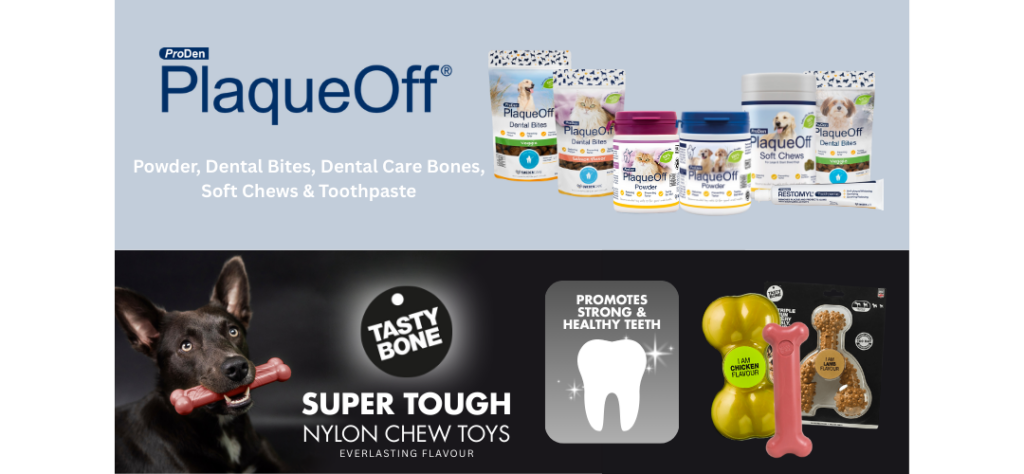
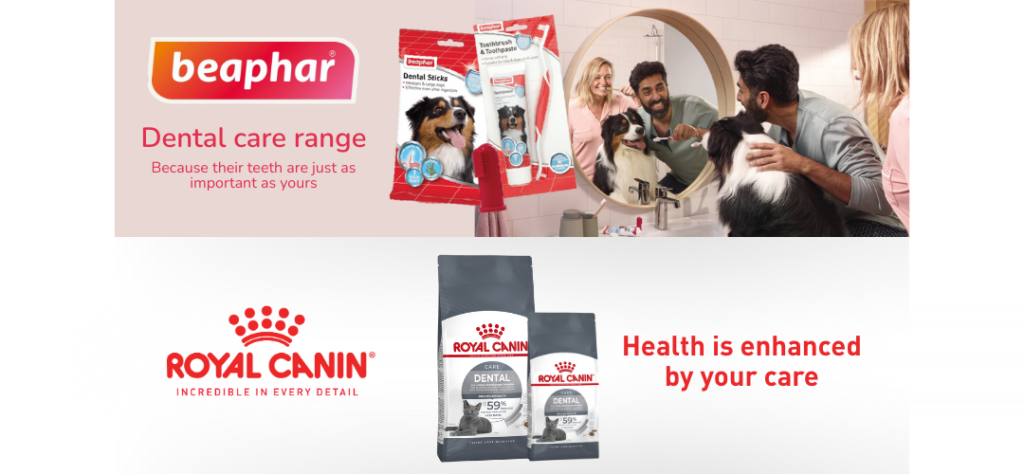
Keep those tails wagging and smiles bright! Check out the top-rated pet dental care solutions you can find locally:
References
- Sánchez C. (2024). Dental Health in Dogs: Early Detection and Preventive Measures for a Longer, Healthier Life. Journal of Veterinary Sciences. Link Research & Reviews
- Taylor J. (2023). Veterinary Dentistry: The Importance of Oral Health in Animals. King’s College Dental Institute. Link Walsh Medical Media
- Enlund K.B. et al. (2020). Dog Owners’ Perspectives on Canine Dental Health—A Questionnaire Study in Sweden. Front. Vet. Sci. DOI Frontiers
- Pearce H. (2023). Dental Health and Systemic Welfare in Companion Animals. Veterinary Practice. Link Veterinary Practice
- Arbach L. (2024). Periodontal Disease in Dogs and Cats. Today’s Veterinary Nurse. Link Today’s Veterinary Nurse